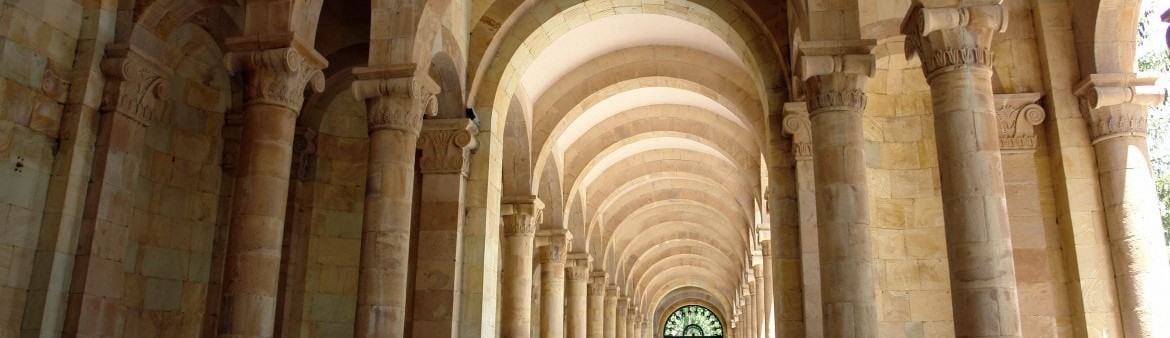
Jermuk
Jermuk is a leading Armenian spa city, which annually hosts not only a huge number of tourists but also a myriad of people from all over the world who go there for health and treatment purposes.
The city is divided into two parts by the splendid gorge of Arpa River. The mineral waters of Jermuk have been used by both ordinary people and Armenian princes to treat various diseases. This statement is supported by the remains of the medieval pools uncovered there and reconstructed in the 19th century. Some of the diseases that are presently treated in the spa town are – diseases of gastro-enteric tract (such as gastritis, gastric ulcer and duodenum, hepatitis, pancreatitis and colitis), diseases of urogenital system (such as inflammation of urinary bladder and chronic inflammation of sexual organs), diseases of respiratory and nervous systems, infringement of metabolism (such as diabetes mellitus and adiposity) and so on.
A legend has it that long ago when hunting was the only form of living, the forests of Jermuk were full of different animals, among them deer. One day a professional hunter shot an arrow and injured a deer, which didn’t give up but kept on running despite it. The exhausted deer eventually came to the mineral waters of Jermuk and simply jumped into it. What happened after was a miracle – the deer came out of the water absolutely cured. It is said that since then the fame of Jermuk mineral waters spread in the whole world, and the deer became the symbol of Jermuk. The deer is pictured on all the bottles of Jermuk mineral water, which is today sold in every Armenian store.
Jermuk: Location
Jermuk is located in Vayots Dzor Province of Armenia. It takes around 2 hours and a half to get there from capital Yerevan. The buses leave from bus station and the ticket price costs more or less $4.
Jermuk: Climate
| Climate data for Jermuk | |||||||||||||
|---|---|---|---|---|---|---|---|---|---|---|---|---|---|
| Month | Jan | Feb | Mar | Apr | May | Jun | Jul | Aug | Sep | Oct | Nov | Dec | Year |
| Average high °C (°F) | −2.5 (27.5) |
−1.7 (28.9) |
2.0 (35.6) |
7.1 (44.8) |
13.4 (56.1) |
17.7 (63.9) |
21.6 (70.9) |
22.9 (73.2) |
19.3 (66.7) |
13.4 (56.1) |
5.6 (42.1) |
0.4 (32.7) |
9.9 (49.8) |
| Average low °C (°F) | −12.1 (10.2) |
−11.5 (11.3) |
−7.4 (18.7) |
−1.4 (29.5) |
3.0 (37.4) |
5.7 (42.3) |
8.7 (47.7) |
8.8 (47.8) |
5.2 (41.4) |
1.9 (35.4) |
−3.9 (25) |
−8.6 (16.5) |
−1.0 (30.2) |
| Average rainfall mm (inches) | 64 (2.52) |
74 (2.91) |
83 (3.27) |
103 (4.06) |
97 (3.82) |
71 (2.8) |
42 (1.65) |
26 (1.02) |
24 (0.94) |
65 (2.56) |
63 (2.48) |
67 (2.64) |
779 (30.67) |
| Average rainy days | 13.1 | 13.4 | 15.7 | 16.2 | 17.9 | 12.9 | 7.7 | 5.8 | 5.8 | 9.6 | 10.1 | 12.3 | 140.5 |
Jermuk has unique climate, and it is explained by the 2500-3000 meter high mountain chains that surround the city as well as the gorge of Arpa River, which serves as a gate for the air flows coming from Araks Calley. The city stands out with warm and mild summers and sunny and colorful falls. Especially splendid is the winter, when everything is covered with sparkling snow.
Considering the city’s climate conditions, the beautifully expressed seasons as well its significance and location not in vain prominent Armenian writer William Saroyan was so impressed by it that he said Armenia is a real paradise and its high, skyscraping crown is Jermuk city.
Jermuk: Things to See
Jermuk Waterfall
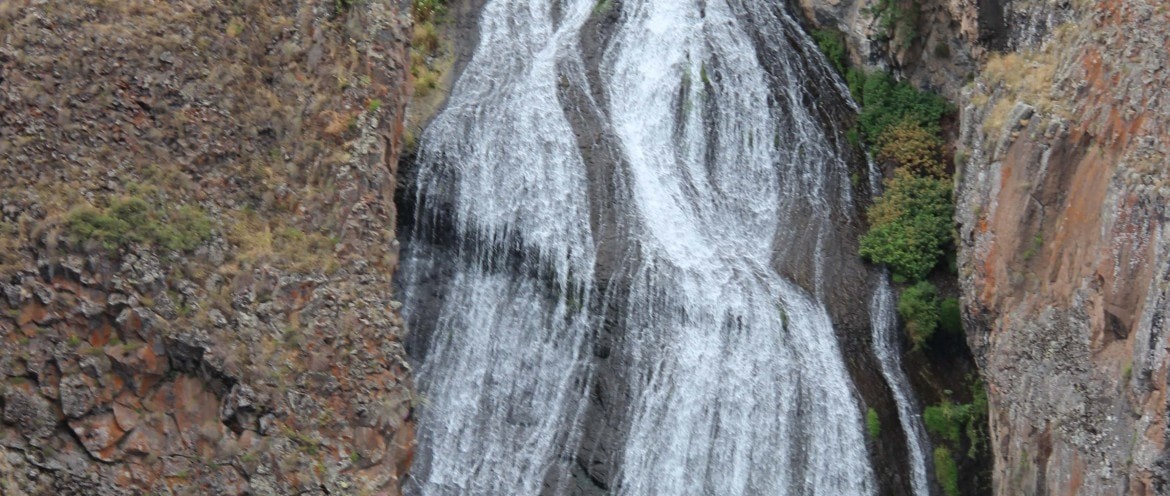
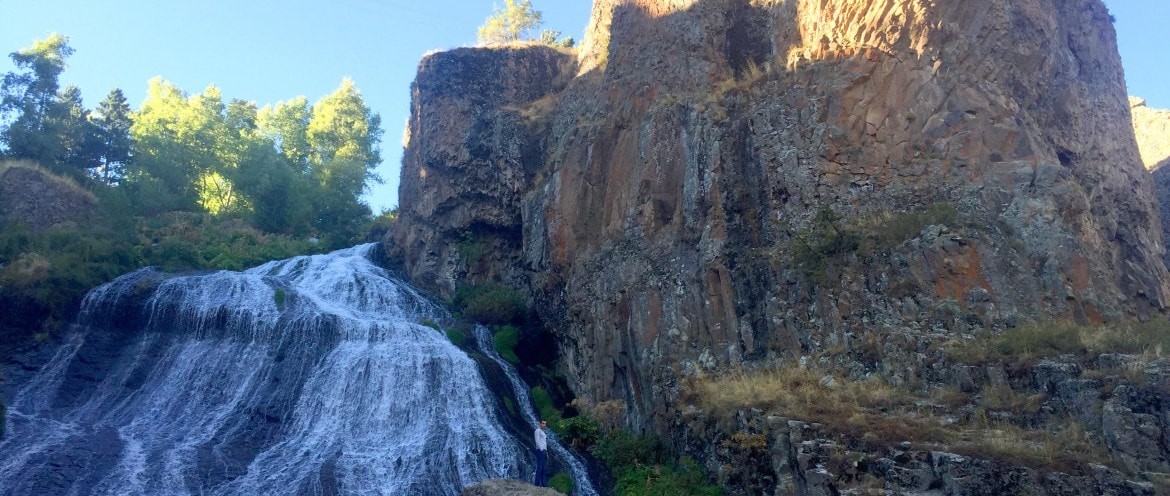
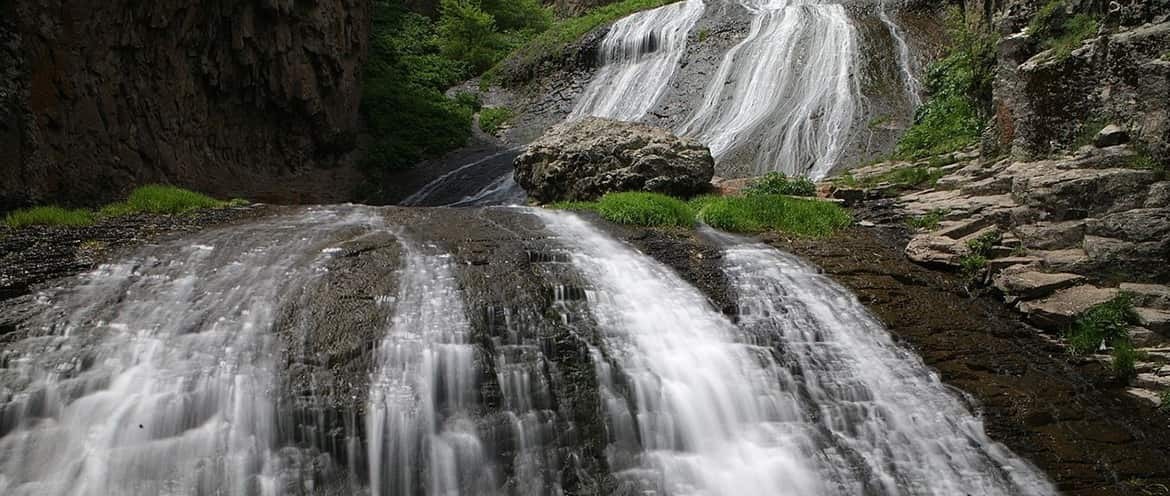
Jermuk waterfall that falls from a height of 70 meters into the gorge of Arpa River is a true miracle of Armenian Highlands. It reminds of hair flowing freely and therefore locals call it “Mermaid’s hair.”
The legend regarding the waterfall has it that there was a princess whose beauty was so capturing that many princes wanted to marry her. But the princess’s heart belonged to the son of a shepherd, so she was refusing everyone. To meet her beloved the princess was throwing a long rope into the gorge of Arpa River for him to climb it and finally meet. When the girl’s father learned about it he cursed her saying that if they meet again then let she turn into a mermaid and never come out of the water. The desire to meet each other was stronger than the fear from the curse and the girl threw her long hair into the gorge and at that moment they turned into a waterfall. And that’s why people call it “Mermaid’s hair.”
Gallery of Waters
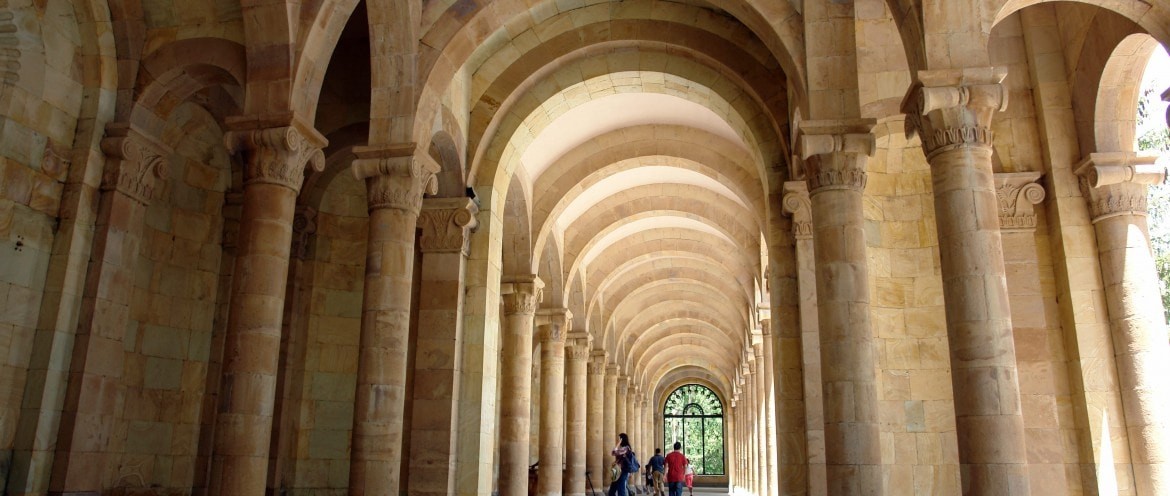
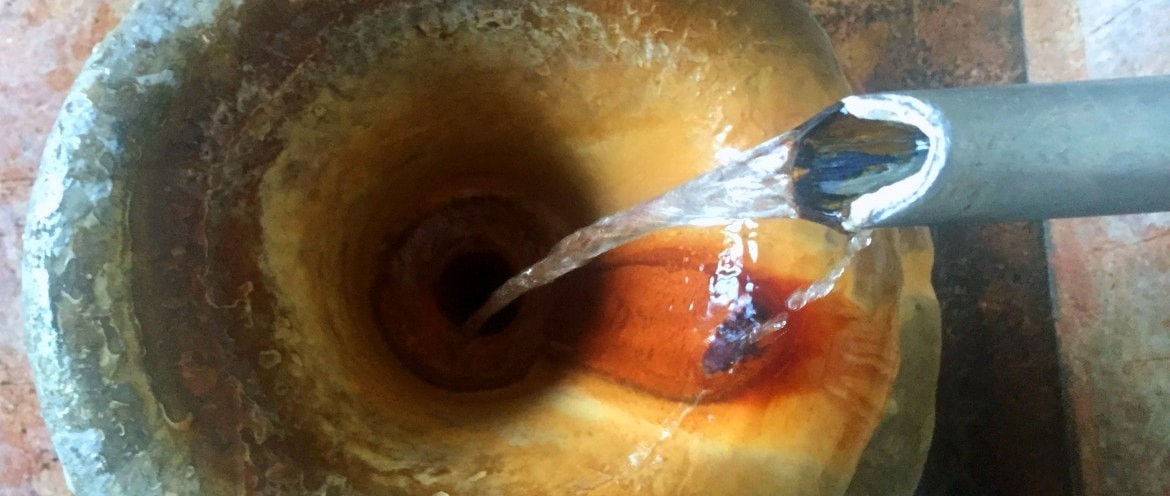
Once in Jermuk, this is a place not to miss. There are pipes in walls and the water flows from there into stone urns. What happens then is that the water temperature is shown next to the pipe. The waters are different and each of them is believed to have different properties and accordingly, cure of a different disease. There are waters that treat liver problems and cancer too.
Jermuk Lake
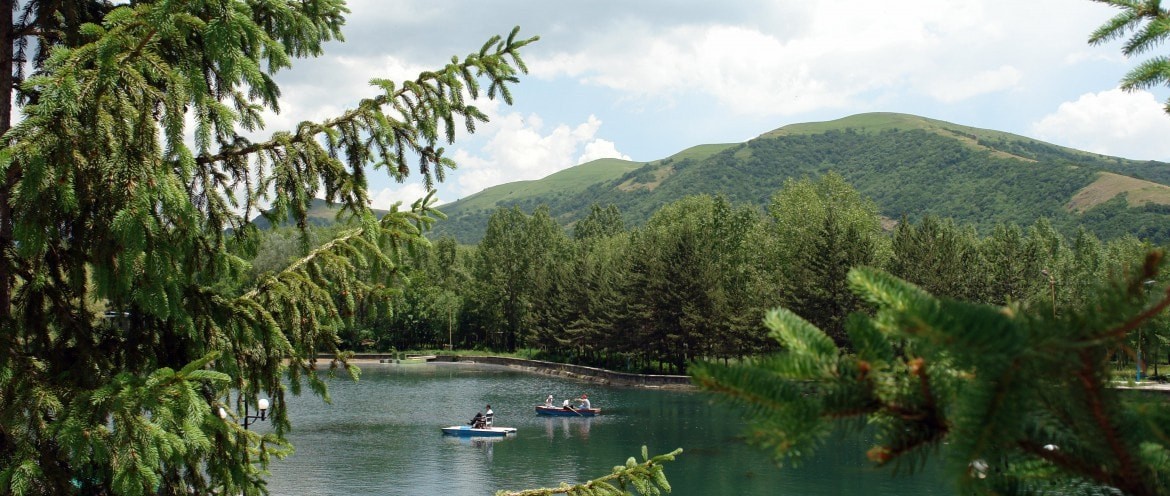
The Lake is not a big one but it’s worth going there as with the overall view it looks great. Those who want, can ride a boat there and one thing that’s good about this is that it’s free of charge.
Gndevank Monastery
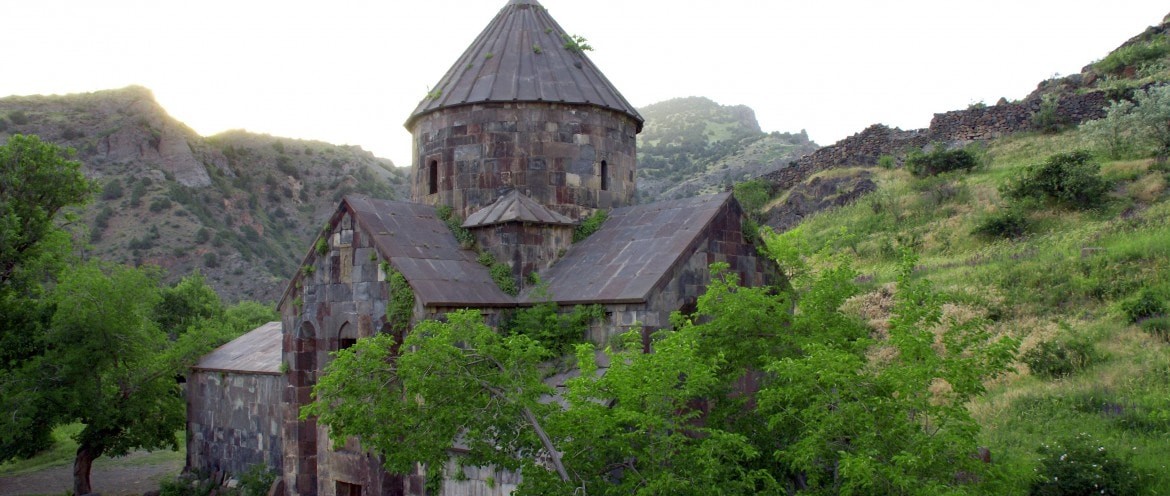
Gndevank is a medieval church complex located on the left bank of Arpa River. It was built in the 10th century. The monastery was initially built as a convent for the hermits of the river gorge. There are 10th-16th century tombs and khatchkars (cross-stones) in the churchyard. The monastery is in a complete harmony with the marvelous nature around it and is one of the best examples of Armenian architecture. Because of its favorable location the church is a favorite for many people, since it's where people can bring together their thoughts, release their anxieties, pray and feel relieved.
Kechut Water Reservoir
Another thing to definitely see in Jermuk is Kechut Water Reservoir on Arpa River, also known as margaritka (pearl) to the locals. It’s something to see to fully admire and appreciate.
Jermuk Art Gallery
Jermuk Art Gallery, which is the branch of the National Gallery of Armenia has been receiving visitors since 1972. It's a one must-see place for people who love art and who would love to get acquainted with the Armenian art. The time period introduced in the gallery dates to 1930s until the present day. Works of such painters as Martiros Saryan and Ara Sargsyan can be found there.
Jermuk: Things to Do
Since Jermuk is primarily a spa town and sanatorium, the first thing people usually do is getting treated and taking mineral water baths. But that's not all, as Jermuk offers activities for people loving active rest as well.
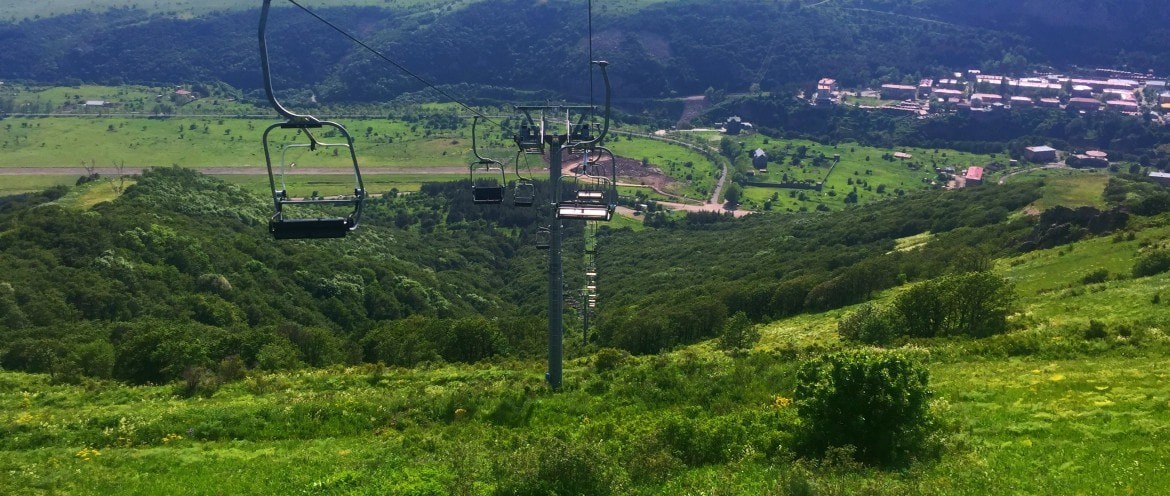
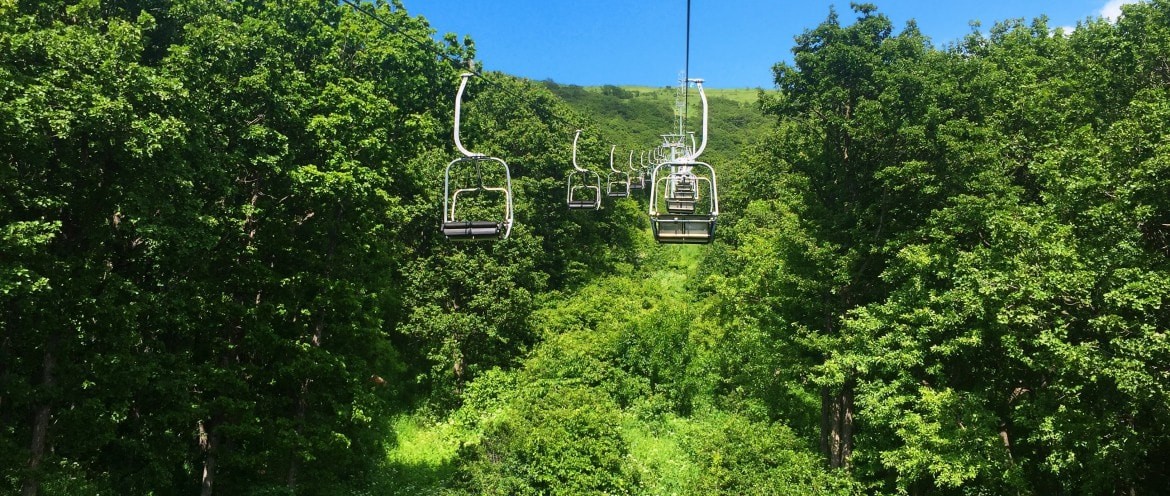
One of them is taking a ride on the ropeway. The ropeway meets international standards. It takes you up one of the mountains where visitors are invited not only to enjoy the wonderful view but also ride a horse or have some drink in the cafe up the mountain.
Another thing to do is to ski or ride on a snowmobile! Those who love sledges can take advantage of the special playground built on the mountain.